

What Does Airtel Money IPO Mean for the Future of African Fintech?
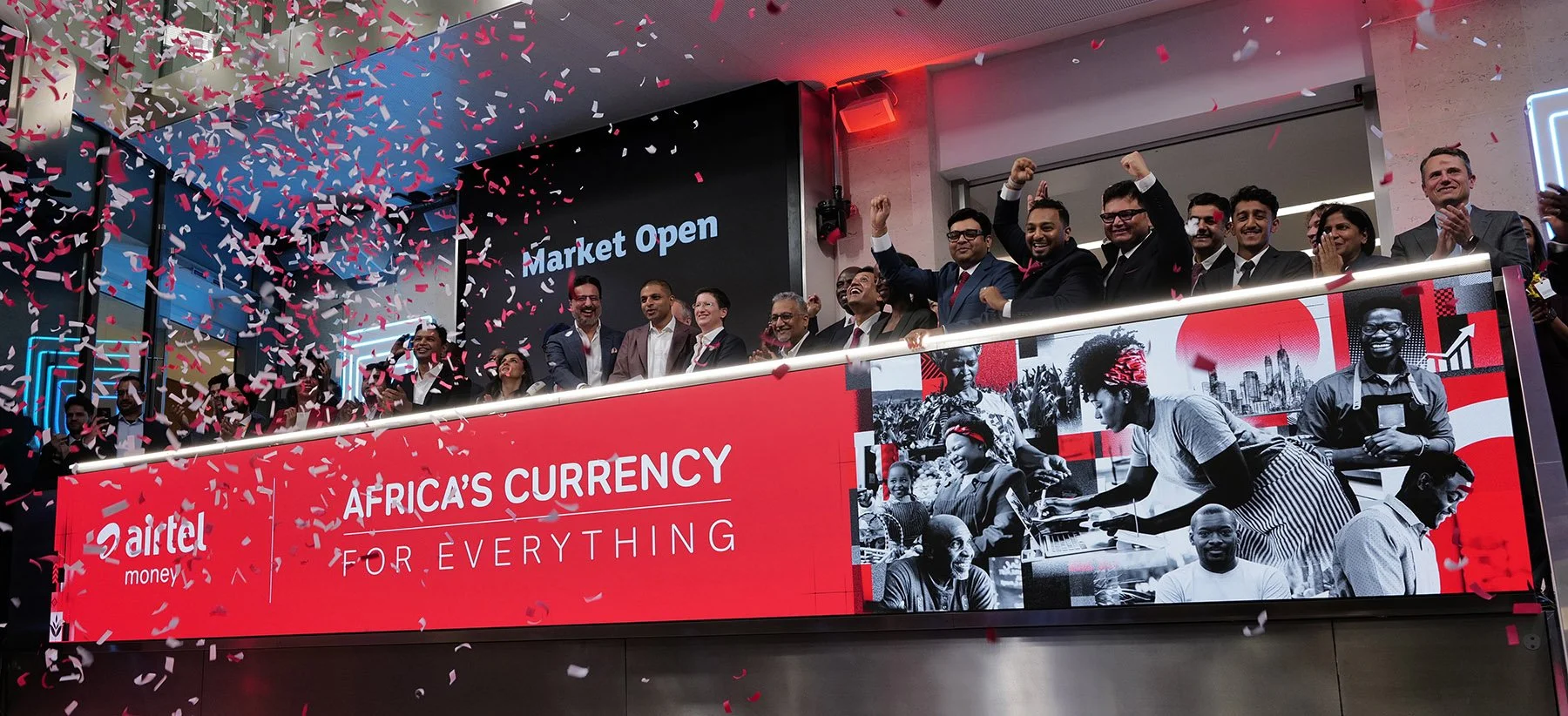
Airtel Money’s $7 billion IPO on the London Stock Exchange represents an important milestone for Africa’s fintech ecosystem. Beyond the headline valuation and the $703 million raised, the listing offers valuable insights into how international investors assess African fintech businesses and what it might take for more companies to follow a similar path.
For an ecosystem that has spent much of the past decade attracting venture capital, building innovative products and expanding financial inclusion, Airtel Money’s public-market debut provides an opportunity to examine what sustainable success looks like at scale.
There are four particularly important implications.
1. African fintech has a new public-market valuation benchmark
For years, conversations around African fintech valuations have been driven largely by private funding rounds. Companies such as Flutterwave, OPay and Moniepoint have achieved multibillion-dollar valuations, but these reflect private investor negotiations rather than the continuous scrutiny of public markets. Airtel Money changes that dynamic.
Its listing provides investors with a publicly traded African fintech business against which they can assess revenue growth, profitability, operating margins and long-term value creation.
Of course, Airtel Money is not directly comparable to every African fintech. Its telecommunications infrastructure, established distribution network and multinational presence give it advantages that younger businesses may not enjoy. Nevertheless, its performance will provide an important reference point for investors evaluating other African fintech companies considering public listings.
2. Profitability and scale matter more than ever
One of the most significant aspects of Airtel Money’s IPO is the maturity of the business entering public markets. With approximately 53 million monthly active users across 13 African countries and an underlying EBITDA margin of around 51%, Airtel Money offers investors something many high-growth technology companies are still working towards: a proven business model operating at considerable scale.
African fintech has historically attracted investment on the strength of its enormous market opportunity, driven by significant non-consumption of financial services. But market opportunity alone is not enough.
As the ecosystem matures, investors are increasingly interested in whether companies can translate that opportunity into sustainable revenues, healthy margins and long-term profitability.
Importantly, companies must also become more deliberate about how they communicate that progress. Financial performance tells investors what a business has achieved. A strong corporate narrative helps them understand why those achievements matter, what differentiates the company and why its growth is sustainable.
3. International investors recognise the opportunity
The oversubscription of Airtel Money’s IPO demonstrates strong international investor appetite for African fintech. However, investors must also weigh this growth potential against risks such as currency volatility, regulatory uncertainty, competitive pressures and the sustainability of earnings.
This is where perception becomes a strategic business consideration. Companies cannot control how investors value them, but they can influence how their businesses are understood, how their leadership is perceived and how confidently the market assesses their long-term prospects. Clear, consistent and credible communication is essential to ensuring that market perceptions reflect the underlying strength and potential of the business.
4. Strategic visibility will become increasingly important
Many African fintech businesses have built sophisticated infrastructure, developed innovative products and achieved significant scale. Yet international conversations about the sector often remain dominated by familiar narratives around financial inclusion and emerging-market opportunity. These narratives matter, but they do not always capture the sophistication of the businesses being built.
As more African fintech companies approach public markets, they will need to engage a broader audience, including institutional investors, financial analysts, regulators and international business media.
In this context, strategic visibility is not simply about generating more media coverage. It is about ensuring the right audiences understand the right things about a business at the right time. Companies preparing for public markets cannot expect to establish that reputation overnight.
A new chapter for African fintech
For much of the past decade, Africa’s technology ecosystem has measured progress through funding announcements and unicorn valuations. As the ecosystem matures, attention must increasingly shift towards profitability, sustainable business models and long-term shareholder value.
At Talking Drum Communications, we believe the gap between what a company achieves and what its stakeholders understand about those achievements can have significant commercial consequences. Closing that gap requires narrative clarity, strategic visibility and a deliberate approach to shaping market perceptions.
The next chapter of African fintech will not simply be about building billion-dollar companies. It will be about sustaining those valuations, creating long-term value and building the market confidence required to support that journey.
Because creating value is essential. Ensuring that value is understood is equally important.
If you’d like to explore how to improve your strategic visibility, narrative clarity market perception , please reach out - hello@talkingdrumcomms.com